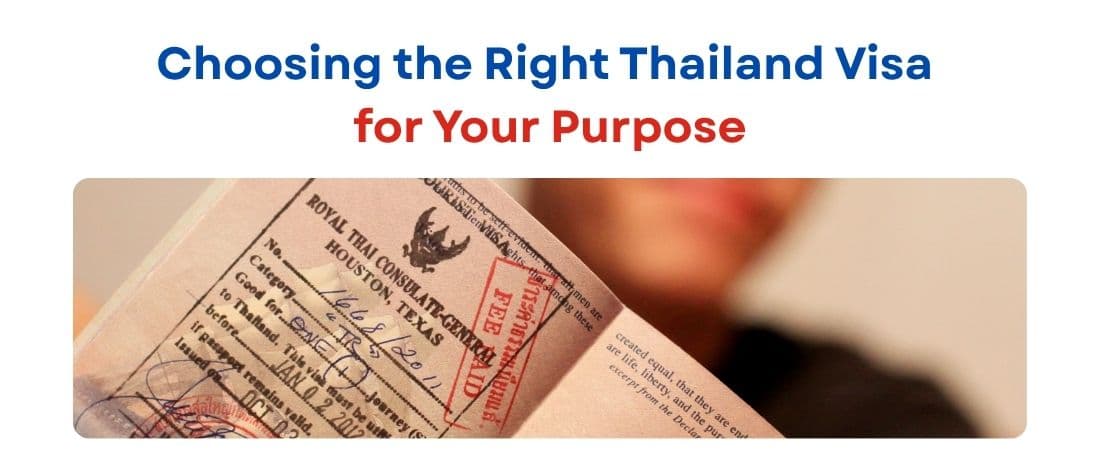
Selecting the correct Thailand visa is more than just an entry procedure; it determines the duration of stay, permitted activities, and the overall ease of the approval process. Choosing correctly from the start simplifies the application and minimizes potential risks. Follow this guide from Global eVisa to identify the ideal Thailand visa for specific travel objectives.
Why Choosing the Correct Visa Category is Critical
Selecting the right visa is a strategic step that directly impacts the legality of the entire journey. Every visa category comes with specific regulations regarding stay duration, the number of entries, and the scope of authorized activities while in Thailand.
When the visa category aligns perfectly with the travel purpose, the application becomes transparent and consistent. This allows immigration authorities to verify information efficiently, shortening processing times and reducing the risk of additional document requests or rejections.
More importantly, using the correct visa protects personal rights and maintains a clean immigration record. Conversely, misrepresenting the travel purpose—such as using a tourist visa for employment—is a violation of entry regulations. This can lead to denied entry, deportation, or future visa restrictions.
How to Select the Right Thailand Visa
To make an accurate decision, evaluate the following factors:
-
Purpose of Entry: This is the primary factor. Clearly define whether the visit is for tourism, business, education, or long-term residency, as each objective corresponds to a specific visa class.
-
Duration of Stay: The intended length of stay dictates the necessary visa. Short-term and long-term stays have entirely different requirements and structures.
-
Entry Frequency: Determine if the plan involves a single entry or the need for multiple trips within the visa’s validity period. This decides between Single-Entry and Multiple-Entry options.
-
Financial Capacity: Different visas have varying financial benchmarks to ensure the ability to cover expenses. Accurate financial assessment ensures the chosen visa is attainable and increases approval odds.
Thailand Visas 2026: Which One Fits Your Needs?
Understanding the fundamental characteristics of each visa type is essential for an accurate selection. Below is a summary of common Thai visa categories updated for 2026 for easy comparison.
|
Visa Type |
Purpose |
Validity |
Stay Duration |
Entry |
|
Tourist Visa (TR) |
Tourism, leisure |
3 - 6 Months |
Up to 60 days/entry |
Single/Multiple |
|
Destination Thailand Visa (DTV) |
Remote work (Digital Nomad), sports, culture |
5 Years |
Up to 180 days/entry |
Multiple |
|
Non-Immigrant B (Non-B) |
Business, legal employment |
90 Days |
90 days (extendable via Work Permit) |
Single/Multiple |
|
Non-Immigrant ED (Non-ED) |
Study, courses, training |
90 Days - 1 Year |
Based on course duration |
Single |
|
Transit Visa (TS) |
Transiting to a third country |
3 Months |
Up to 30 days |
Single |
Several visa types and entry procedures can now be completed online, simplifying documentation and accelerating processing times.
Read more: What is Thailand eVisa? Which types are available for online application?
Conclusion
Choosing the right Thailand visa category ensures a smoother application process, guarantees the correct exercise of rights, and avoids risks during entry and stay. Once the purpose, duration, and travel plans are clear, selection becomes straightforward and precise.
For those uncertain about the best visa category or requiring a professional document review before submission, consulting with experienced experts is the safest way to prevent initial errors. Contact Global eVisa today for expert consultation and support in selecting the visa that best fits your requirements.