

Oman is one of the most surprisingly rewarding destinations in the Middle East. Unlike some of its neighboring countries, Oman does not rely on flashy skylines or extravagant attractions. Instead, it offers a rich mix of authentic experiences: magnificent mosques, ancient forts, golden deserts, turquoise wadis, and cool mountain landscapes. For first-time visitors, the key is not to cover as many places as possible, but to choose destinations that truly capture the essence of the country. If you are planning your first trip to Oman, these five destinations offer the perfect balance of culture, nature, history, and local experiences, while remaining relatively accessible for new travelers.
1. Muscat – The Ideal Starting Point for an Oman Trip
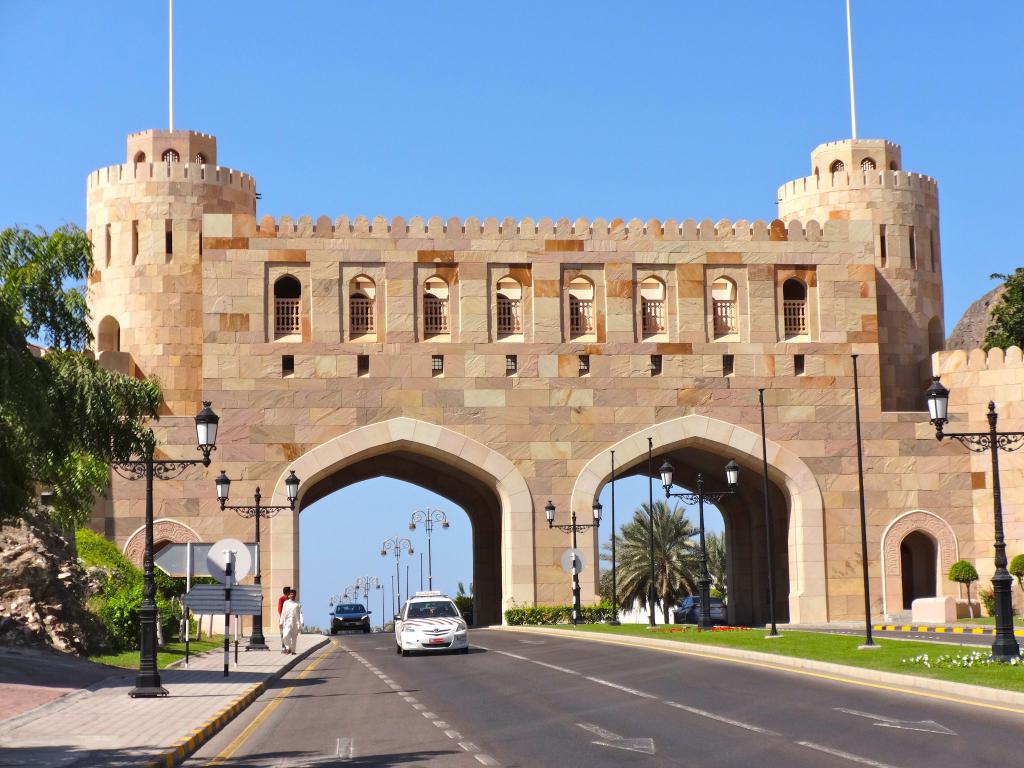
Muscat, the capital of Oman, is where most international travelers begin their journey. Unlike many modern Gulf cities, Muscat feels calm, elegant, and distinctly Omani. The city is clean, well-organized, culturally rich, and beautifully located along the coastline.
One of the first places to visit is the Sultan Qaboos Grand Mosque, considered one of the most impressive Islamic landmarks in the region. Its grand domes, intricate architectural details, and vast prayer hall make it a true icon of Muscat. Visitors are expected to dress modestly, and women are generally required to cover their hair inside the mosque.
Later in the day, spend time exploring Mutrah Corniche and Mutrah Souq. The Corniche is a scenic waterfront promenade, ideal for an evening stroll once the temperature cools down. Nearby, Mutrah Souq offers a more traditional atmosphere where travelers can shop for frankincense, spices, silver jewelry, scarves, and authentic Omani souvenirs. It is also one of the best places to experience local daily life without venturing far from the city center.
For first-time visitors, spending one to two days in Muscat is usually ideal. The city also serves as a convenient base for trips to Wadi Shab, Nizwa, and Wahiba Sands.
2. Nizwa – A Historic City for Culture Lovers
If you want to gain a deeper understanding of Oman’s heritage, Nizwa should be high on your itinerary. Located around 1.5 to 2 hours from Muscat by car, Nizwa was once an important center for religion, trade, and education in Oman. Today, it remains one of the country’s most culturally significant destinations.
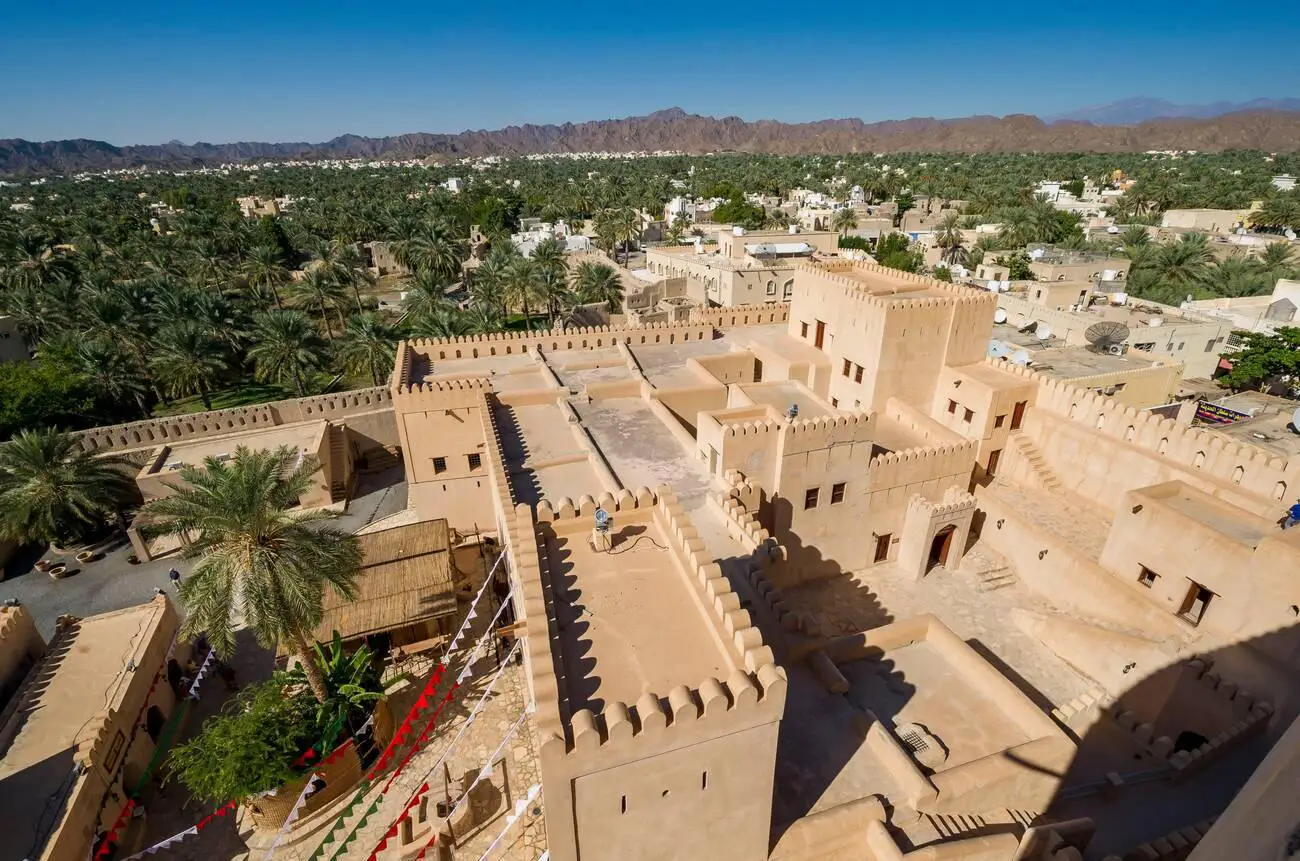
The city’s main attraction is Nizwa Fort, famous for its massive circular tower, defensive architecture, and panoramic views over the old town, surrounding date plantations, and nearby mountains. Visiting the fort offers valuable insight into Oman’s historical defense systems and architectural traditions.
Just beside the fort is Nizwa Souq, a traditional market known for dates, spices, pottery, khanjar daggers, and handcrafted products. Travelers visiting on Friday mornings may also witness the traditional livestock market, one of the most unique local experiences in Oman. Arriving early is recommended, as the market is busiest in the morning.
Although Nizwa can be visited as a day trip from Muscat, staying overnight allows travelers to experience the city at a slower pace, especially after most day visitors have left.
3. Wahiba Sands – An Accessible Desert Experience
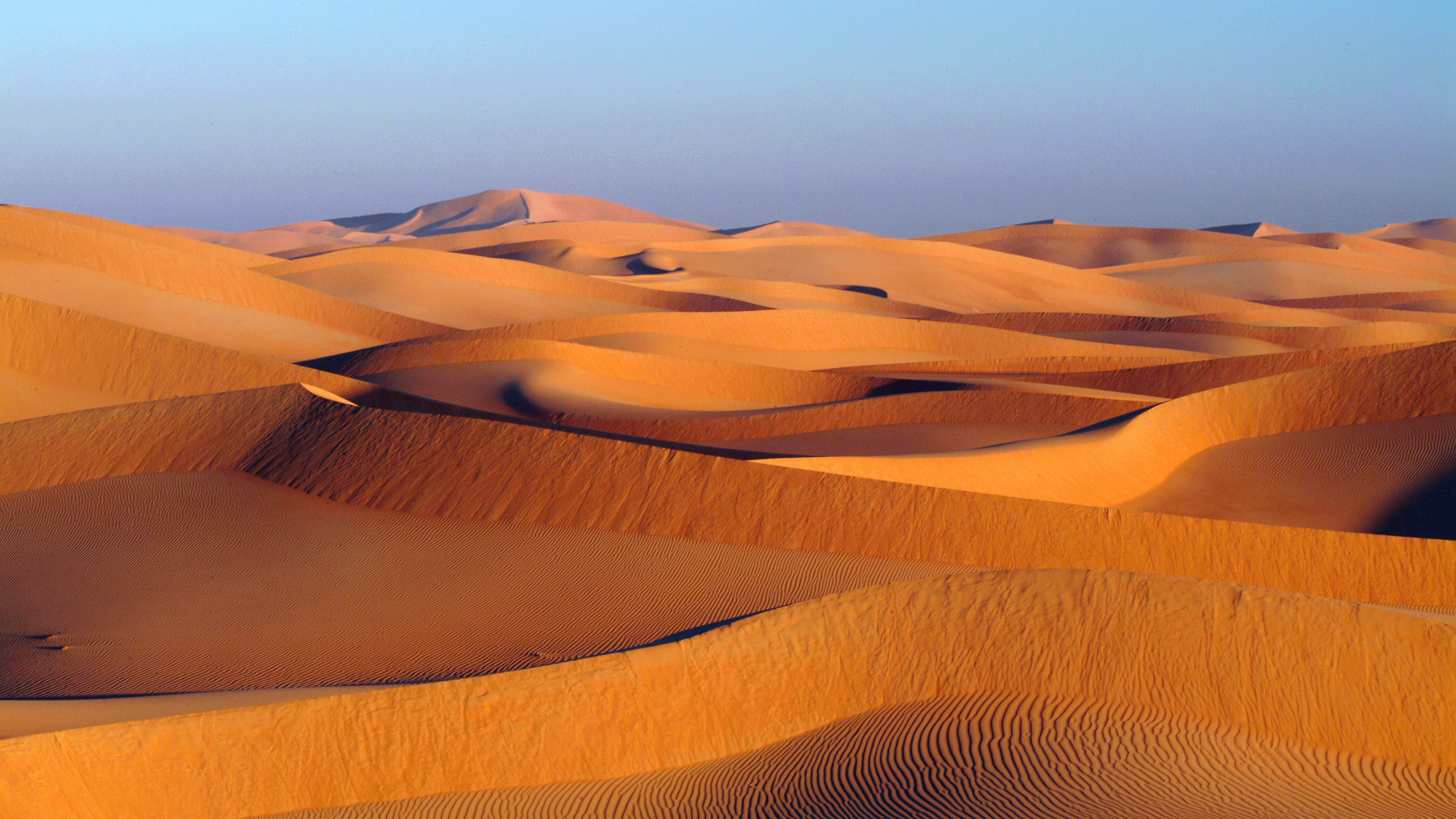
No trip to Oman would feel complete without experiencing the desert. For first-time travelers, Wahiba Sands, also known as Sharqiya Sands, is one of the most accessible and rewarding desert destinations in the country. Located within reach of both Muscat and Nizwa, the area is known for its endless golden-orange dunes that shift color beautifully throughout the day.
One of the most memorable experiences here is staying overnight in a desert camp. Visitors can enjoy sunset views over the dunes, try dune bashing with experienced drivers, or take short camel rides before spending the evening under a sky filled with stars.
Despite its accessibility, the desert still requires proper preparation. Travelers without off-road driving experience should avoid driving deep into the dunes independently. The safest option is to book a desert camp that provides transportation from the edge of the desert.
The best time to visit Wahiba Sands is between October and April, when temperatures are more comfortable. Even a single night in the desert is enough to create a memorable Oman experience.
4. Wadi Shab – A Turquoise Oasis Among the Mountains
Wadi Shab is one of Oman’s most famous natural attractions. In Oman, a “wadi” refers to a valley or riverbed, and Wadi Shab stands out for its crystal-clear turquoise pools surrounded by dramatic rocky cliffs. The contrast between the dry landscape and the vibrant water creates truly spectacular scenery.
Located within day-trip distance from Muscat, Wadi Shab typically begins with a short boat crossing followed by a hike into the valley. The trekking route is relatively manageable for most travelers, although some sections can be rocky, so proper walking shoes, water, and comfortable clothing are recommended.
The highlight of Wadi Shab is its natural swimming pools hidden deeper inside the canyon. Confident swimmers can continue through narrow water passages to reach a small cave with a waterfall inside. Those who prefer not to swim can still enjoy the scenery from the more accessible areas.
Visitors are advised to bring waterproof bags for electronics, travel light, and avoid visiting during periods of heavy rain warnings. For first-time travelers, Wadi Shab offers a refreshing contrast to Oman’s deserts and showcases another side of the country’s natural beauty.

5. Jebel Akhdar – Oman’s Cool Mountain Escape
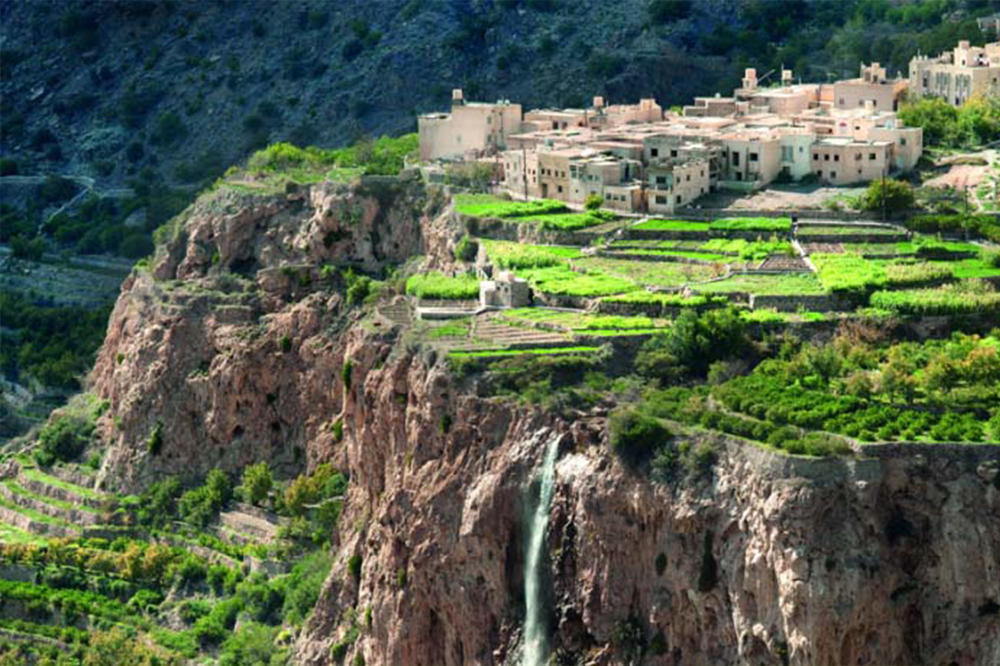
Jebel Akhdar, which translates to “The Green Mountain,” is part of the Al Hajar mountain range and one of the most scenic highland regions in Oman. Unlike the hot desert image often associated with the Middle East, Jebel Akhdar offers cooler temperatures, terraced farms, rose gardens, pomegranate orchards, and mountain villages perched along steep slopes.
This destination is perfect for travelers looking for a slower and more relaxing experience. Many resorts in the area feature spectacular canyon views, especially during sunrise and sunset. If your budget allows, staying overnight is highly recommended.
Visitors can hike through traditional villages, explore agricultural terraces, and learn about the region’s famous rose water production during the rose season, typically between March and April. The pomegranate harvest season is also an enjoyable time for travelers interested in local produce and rural culture.
One important note: access to Jebel Akhdar requires a 4WD vehicle due to mountain checkpoint regulations. Travelers without suitable transportation should consider booking a guided tour or private transfer. Jebel Akhdar also pairs exceptionally well with Nizwa in a 5–7 day Oman itinerary.
Suggested Itinerary for First-Time Visitors
For a 5-day trip, a practical route would be:
Muscat → Wadi Shab → Wahiba Sands → Nizwa
This itinerary offers a balanced combination of city life, nature, desert landscapes, and cultural experiences.
If you have 7 days, adding Jebel Akhdar will make the journey more diverse and relaxing.
First-time travelers should avoid overpacking their itinerary, as travel distances in Oman can be longer than expected. Renting a car provides the greatest flexibility, but for those unfamiliar with driving abroad, guided day tours or private drivers from Muscat may be a more comfortable option.
Important Things to Know Before Visiting Oman
Before traveling to Oman, make sure to check the weather forecast, passport validity, visa requirements, and overall itinerary carefully. Most travelers are required to have at least six months of passport validity upon entry.
When visiting mosques or traditional areas, modest clothing is recommended. It is also advisable to pack sunscreen, sunglasses, comfortable walking shoes, and sufficient water, especially for outdoor activities.
Oman is generally considered a safe and welcoming destination. However, the dry climate and high temperatures can lead to dehydration quickly, particularly during extended outdoor excursions. The most comfortable travel season is typically from October to April.
Conclusion
For first-time visitors, the five destinations worth prioritizing in Oman are Muscat, Nizwa, Wahiba Sands, Wadi Shab, and Jebel Akhdar. Together, they offer a well-rounded introduction to the country: an elegant capital city, a historic cultural center, breathtaking desert landscapes, turquoise mountain pools, and a cool highland retreat.
With the right travel season, a realistic itinerary, and proper preparation, your first trip to Oman can be smooth, safe, and genuinely unforgettable.


