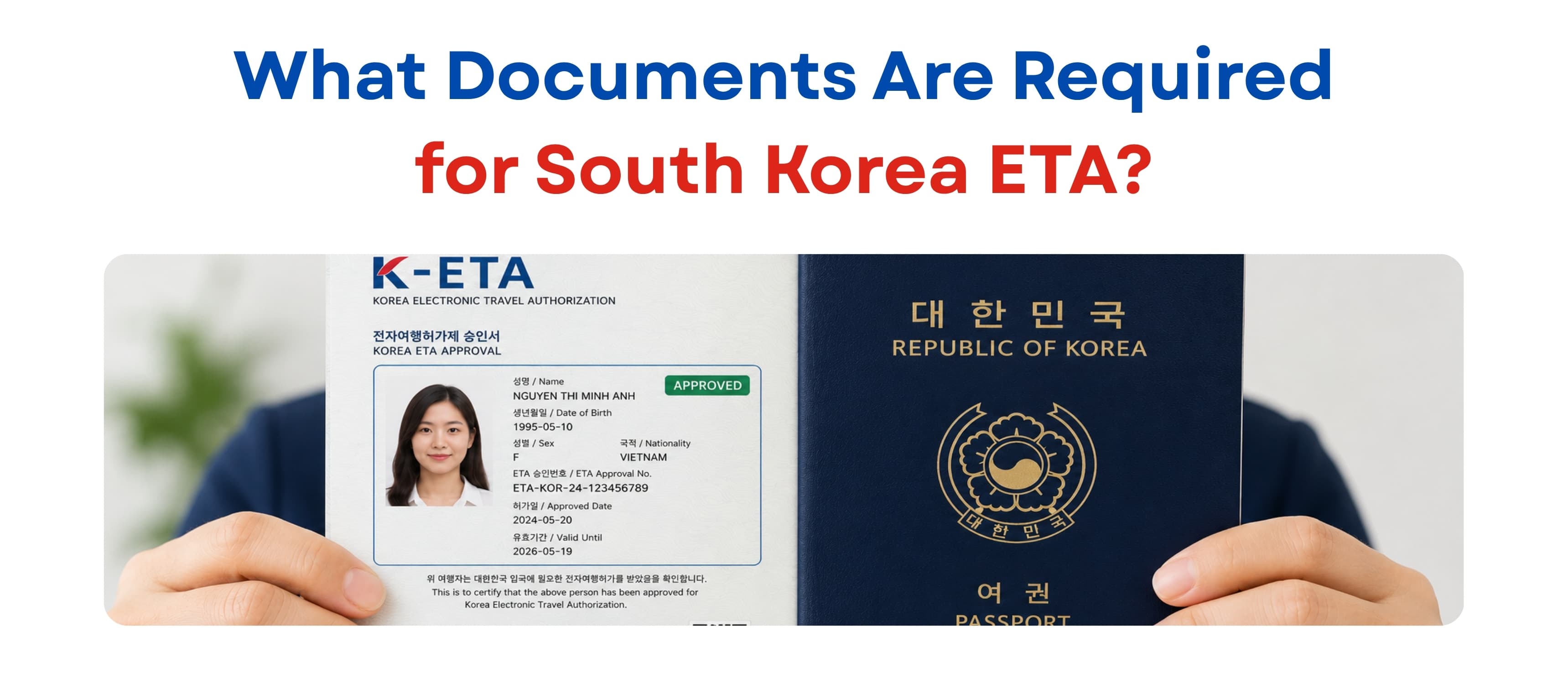
South Korea remains one of the most attractive travel destinations in Asia, welcoming millions of visitors each year. However, understanding the entry requirements is essential for a smooth journey. This article provides the latest 2026 updates on South Korea’s entry conditions, helping you prepare accurately and avoid unnecessary risks.
Overview of South Korea’s Entry Policy
South Korea currently applies a digitized and structured immigration system, clearly categorizing travelers based on nationality and travel purpose. Depending on your situation, you may need to apply for an ETA (K-ETA), a visa, or in some cases, be exempt from certain requirements.
It is important to note that holding an ETA or visa does not guarantee entry, as the final decision is made by immigration officers at the port of entry.
Common Ways to Enter South Korea
Entry with ETA (K-ETA)
For travelers from visa-exempt countries, ETA is a mandatory requirement before boarding a flight to South Korea. It is the most commonly used entry method for short-term visits such as tourism or business trips.
ETA allows multiple entries within its validity period, but travelers must still comply with regulations regarding length of stay and permitted activities.
Entry with Visa (eVisa or Sticker Visa)
If you are not eligible for visa exemption or plan to stay long-term, you must apply for an appropriate visa. Common visa types include:
-
Tourist visa
-
Business visa
-
Student visa
-
Work visa
For eVisa applications, certain cases require sponsorship from a Korean organization or authorized travel agency.
Cases Exempt from ETA or Visa
Some special categories of travelers may be exempt from ETA or visa requirements, including:
-
Individuals holding a valid visa
-
Residents of South Korea
-
Certain diplomatic or special-status travelers
Identifying your correct eligibility category can help you avoid unnecessary applications.
Basic Entry Requirements for South Korea
To be granted entry into South Korea, travelers must meet the following core requirements:
1. Valid Passport
A valid passport is mandatory and must remain valid throughout your stay. In some cases, airlines or immigration authorities may require at least 6 months of validity.
Additionally, all passport details must match exactly with the information declared in your ETA or visa application.
2. Valid Entry Authorization (ETA or Visa)
Depending on your nationality, you must have:
-
ETA (for visa-exempt travelers)
-
Visa (for travelers requiring a visa)
Using the wrong type of entry document is one of the most common reasons for denied entry.
3. Clear Travel Purpose
Travelers must demonstrate that their travel purpose aligns with their entry authorization. For example:
-
ETA is valid only for tourism, short-term business, or visiting relatives
-
It cannot be used for employment or income-generating activities
If your purpose does not match your visa type, you may be denied entry upon arrival.
4. Transparent Travel Information
Immigration officers may request supporting details such as:
-
Round-trip flight tickets
-
Accommodation address
-
Basic travel itinerary
These details help verify the legitimacy of your trip and reduce the risk of illegal entry.
5. Not Subject to Entry Restrictions
You may be denied entry if you fall into certain categories, such as:
-
Previous immigration violations
-
Criminal records related to security concerns
-
Providing false or misleading information
South Korea’s immigration control system is increasingly strict, making honest and accurate declarations essential.
Additional Requirements to Note
Beyond the core conditions, travelers should also pay attention to the following:
Accurate Information Declaration
All details on your ETA or visa must match your passport and actual travel plans. Even minor discrepancies can result in complications.
Updating Information When Changes Occur
If there are changes to your:
-
Passport
-
Travel itinerary
-
Contact information
You should update the system accordingly before traveling.
Compliance with Length of Stay
For ETA holders, the maximum stay is typically up to 90 days per visit. Overstaying may result in:
-
Administrative penalties
-
Restrictions on future entry
Common Mistakes When Entering South Korea
Many travelers are denied entry due to avoidable mistakes, such as:
-
Confusing ETA with a visa
-
Incorrect passport details
-
Inability to prove travel purpose
-
Missing accommodation information
These issues can be easily avoided with proper preparation.
Should You Use an Entry Support Service?
For those unfamiliar with the process or seeking higher approval certainty, professional support services can be a practical option.
Such services can help you:
-
Identify the correct entry requirements
-
Review your application before submission
-
Minimize errors
-
Save time and effort
Especially with frequently updated immigration policies, expert support can provide greater peace of mind.
Conclusion
South Korea’s entry requirements are not overly complicated, but they demand strict accuracy and compliance. Understanding the requirements related to ETA, visas, passports, and travel purposes will help you avoid unnecessary risks and ensure a smooth journey.
If you want to ensure your application process is handled quickly and accurately, the expert team at [Brand Name] is ready to assist you – from consultation to document preparation. Contact us today to begin your journey to South Korea with confidence and professionalism.